


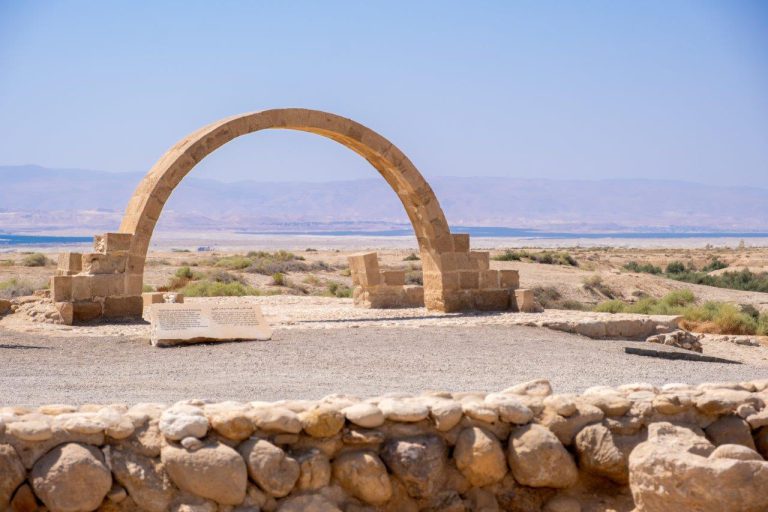
Elijah’s Hill
The place where the Prophet Elijah ascended to heaven and where John the Baptist preached — one of the holiest sites in the Baptism Site.
View Details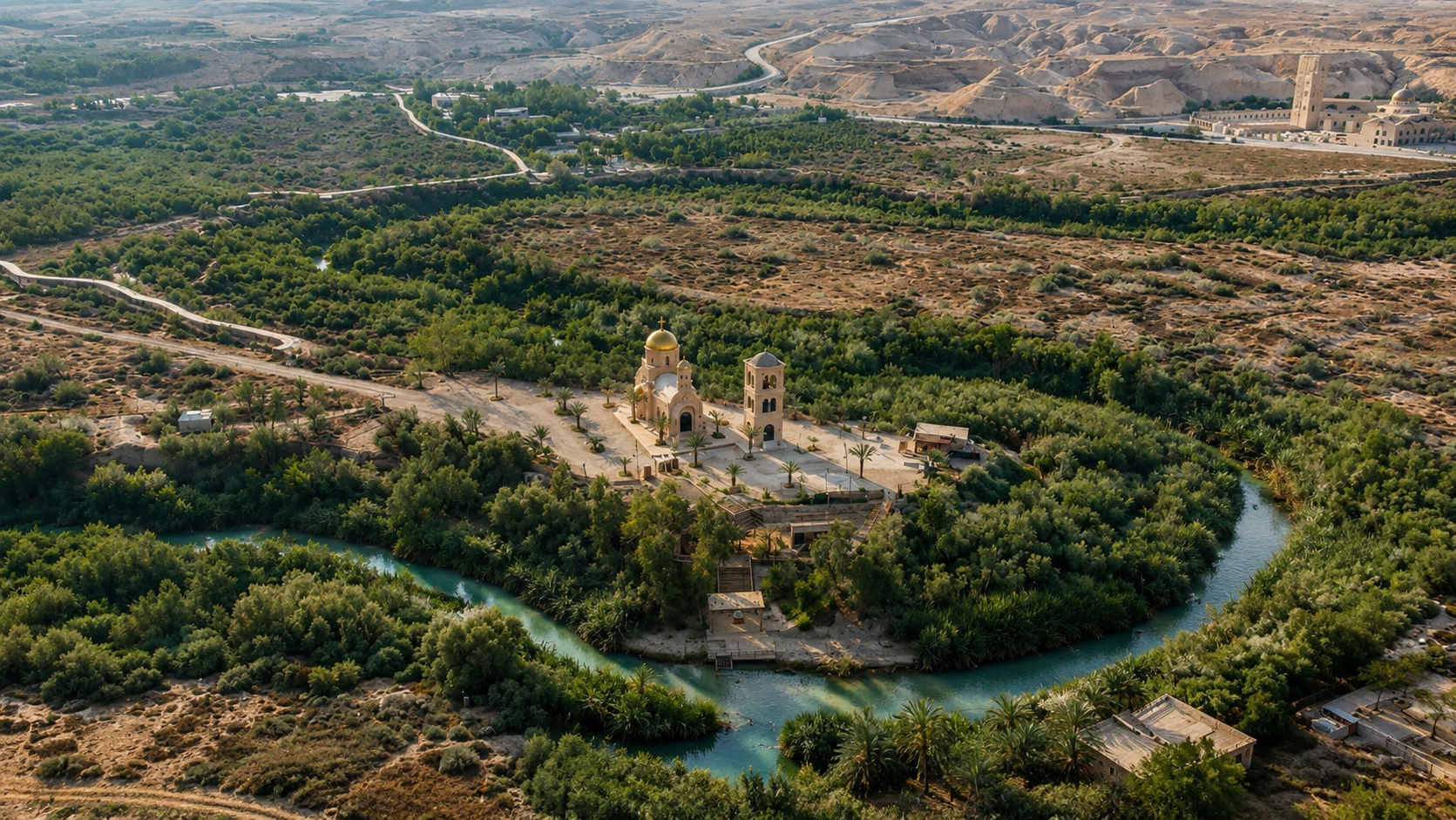
The place where the Prophet Elijah ascended to heaven and where John the Baptist preached — one of the holiest sites in the Baptism Site.
View Details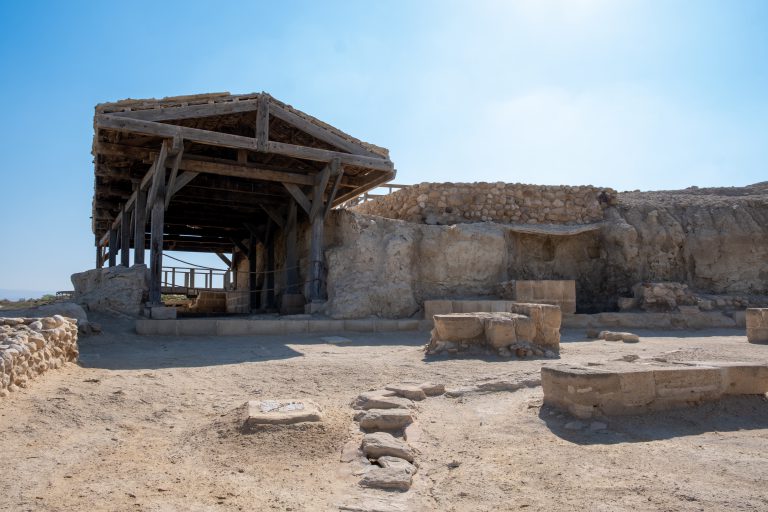
The Western Church features a semi-circular apse cut into natural rock and four column bases creating a nave and two aisles, dating to the Byzantine period.
View Details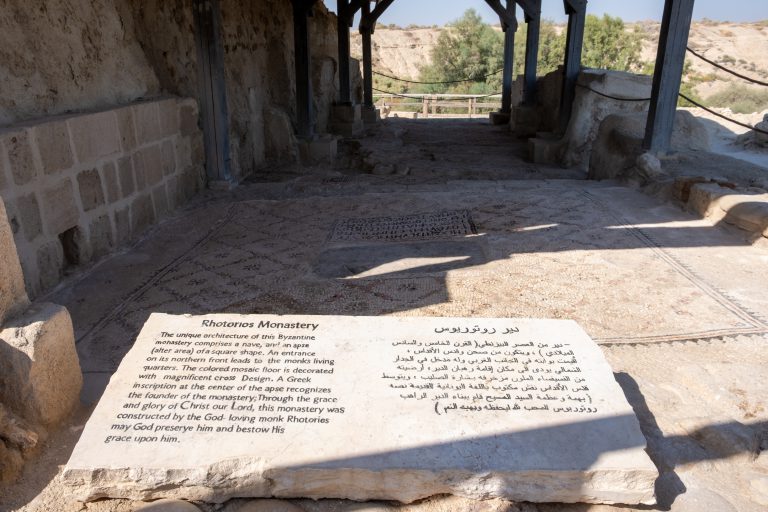
The Byzantine Monastery (5th–6th centuries AD) with several churches and buildings within a surrounding wall, featuring a fine water system along the ancient pilgrimage route.
View Details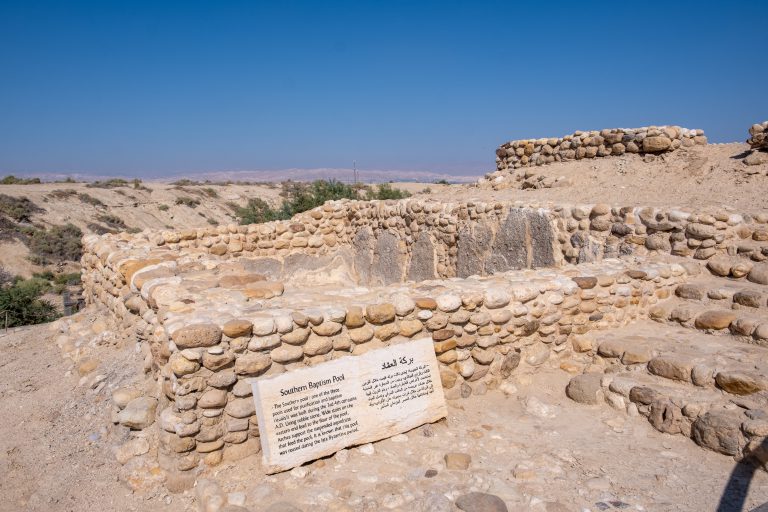
Three ancient pools dating from the Late Roman period (3rd–4th centuries AD), where pilgrims descended to be baptized, fed by an elaborate aqueduct system.
View Details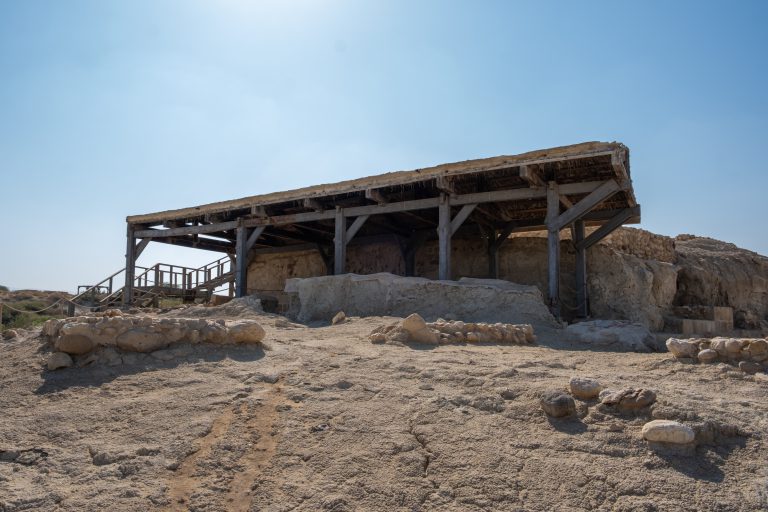
The Northern Church features a colored mosaic with geometric designs and a complete Greek inscription commemorating Abbot Rhetorios, restored with a reversible shelter to protect its mosaic floor.
View Details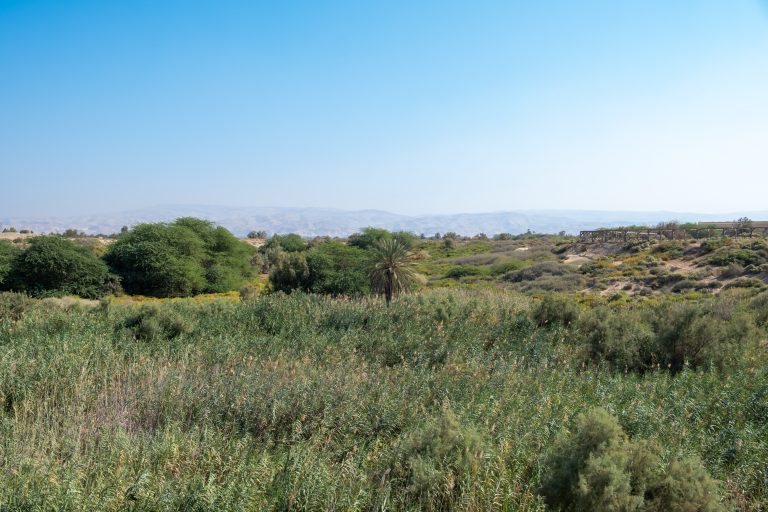
Ancient monastic caves where Saint John the Baptist appeared to a monk in a dream, calling the cave greater than Mount Sinai, as narrated by 7th century writer John Moschus.
View Details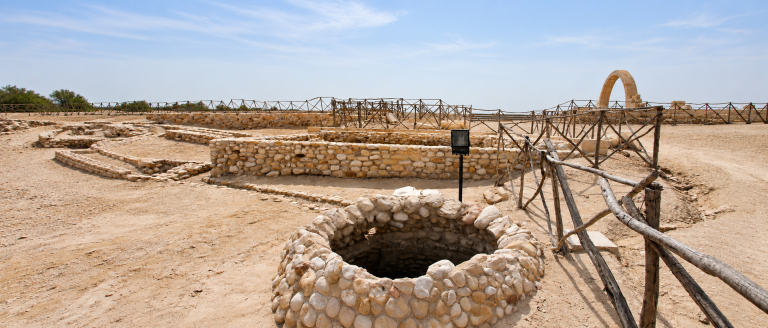
A well, cistern and settling basins connected with water channels, built during the 5th–6th centuries AD from well-cut sandstone ashlars lined with lime plaster.
View Details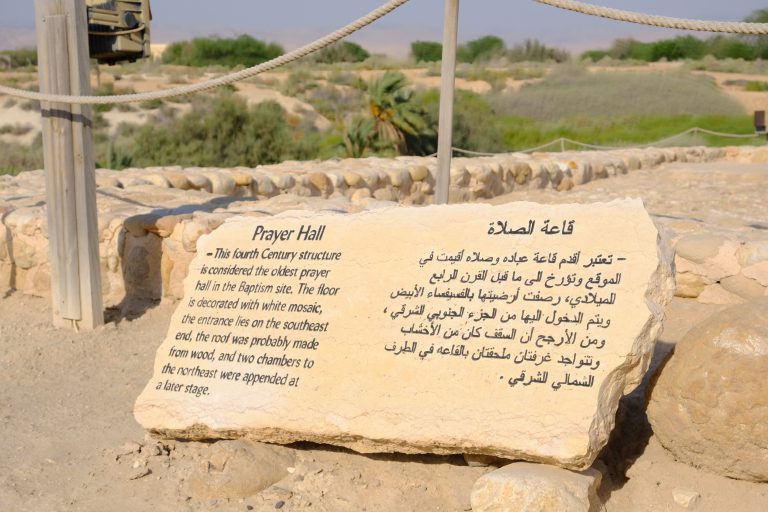
One of the earliest worship facilities at the site, perhaps predating the 4th century AD, with a plain white mosaic pavement and fieldstone construction near Tell al-Kharrar.
View Details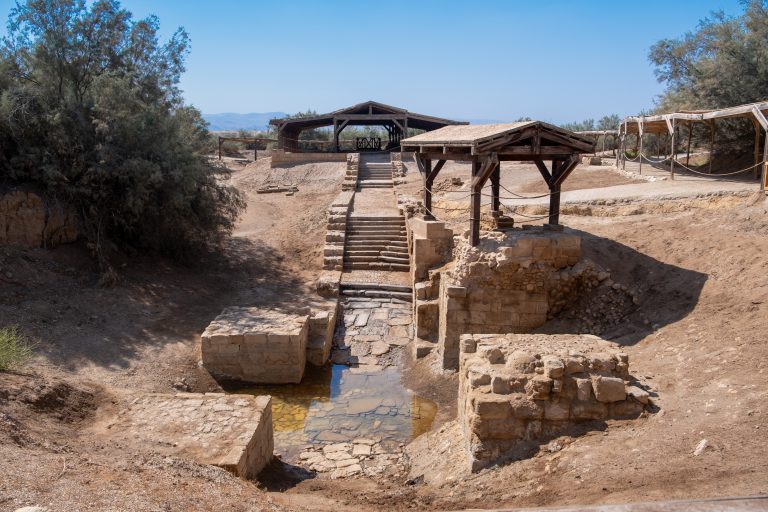
The exact location where Jesus of Nazareth was baptized by John the Baptist, marked by five successive churches built since the 5th century.
View Details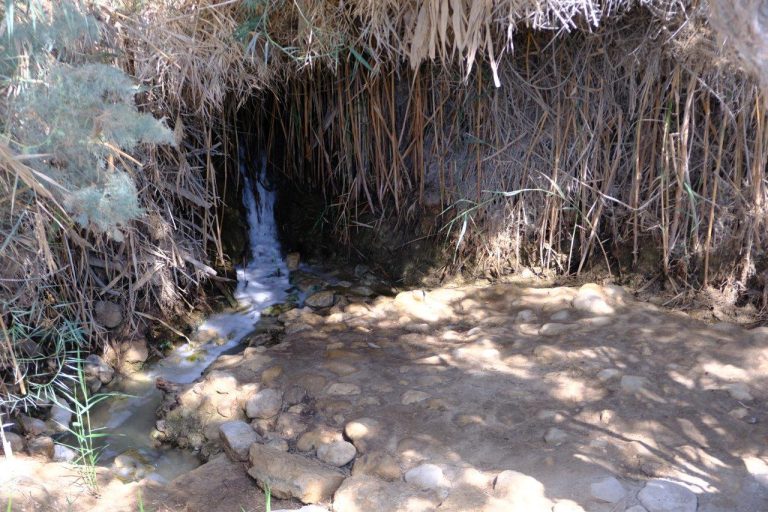
A freshwater spring flowing from near Tell Mar Elias, used by pilgrims for drinking and baptism, referred to in ancient texts as Aenon.
View Details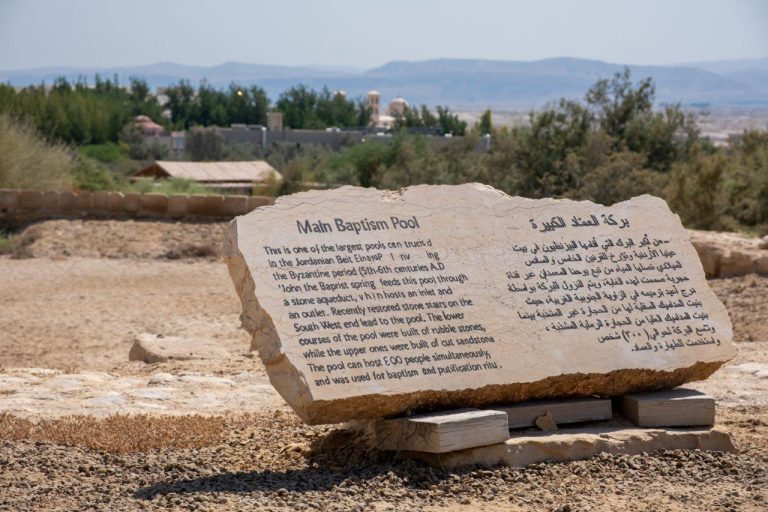
Three ancient pools dating from the Late Roman period (3rd–4th centuries AD), where pilgrims descended to be baptized, fed by an elaborate aqueduct system.
View Details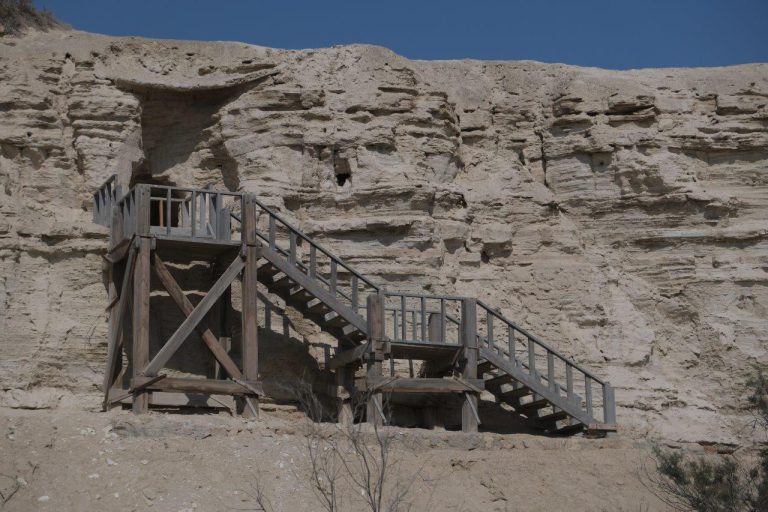
Two cliff-carved caves used by early Christian hermits for pious devotion and prayer, with carved niches in their eastern walls.
View Details
Remains of a monastic complex 300m west of Tell al-Kharrar — a Laura made up of individual hermit cells serving monks and pilgrims.
View Details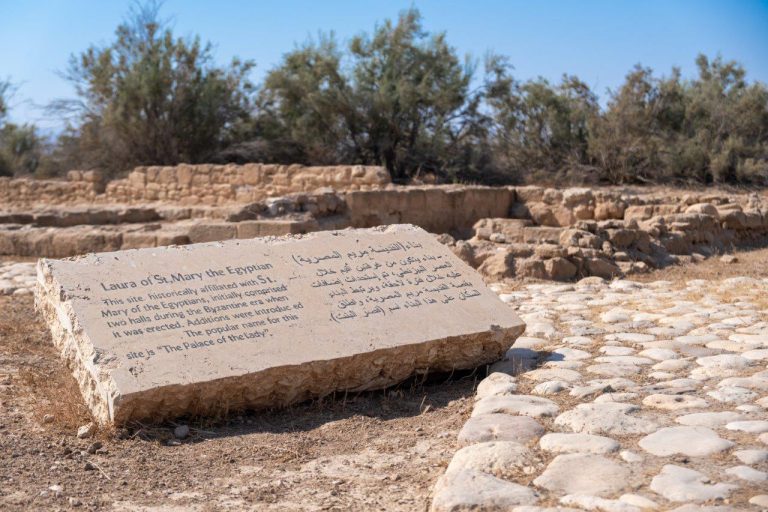
The area associated with Saint Mary the Egyptian, who spent 47 years in the Jordanian desert in repentance and prayer.
View Details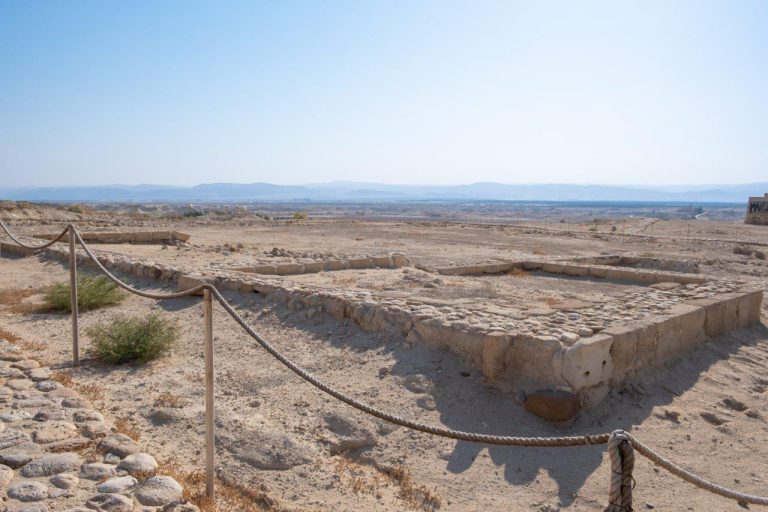
A Byzantine-era pilgrim rest station built between the Jordan River and Tell al-Kharrar, with rooms, a courtyard, and a water pool.
View Details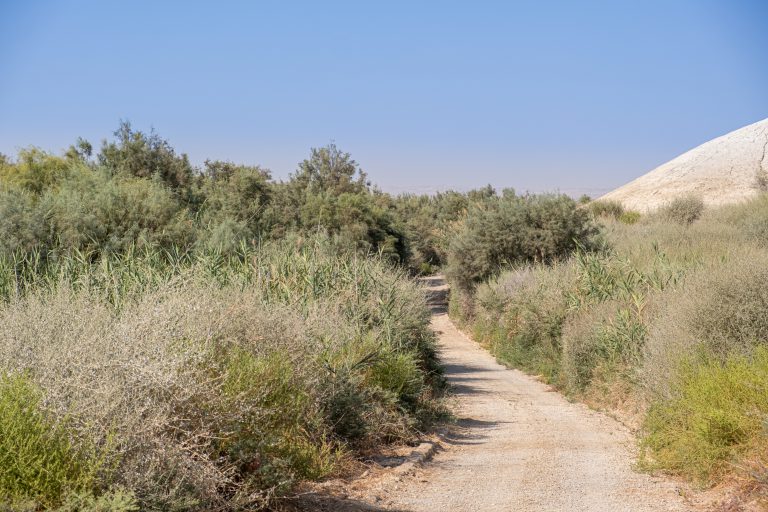
The wilderness where John the Baptist lived, preached and baptised — the heartland of the Baptism Site.
View Details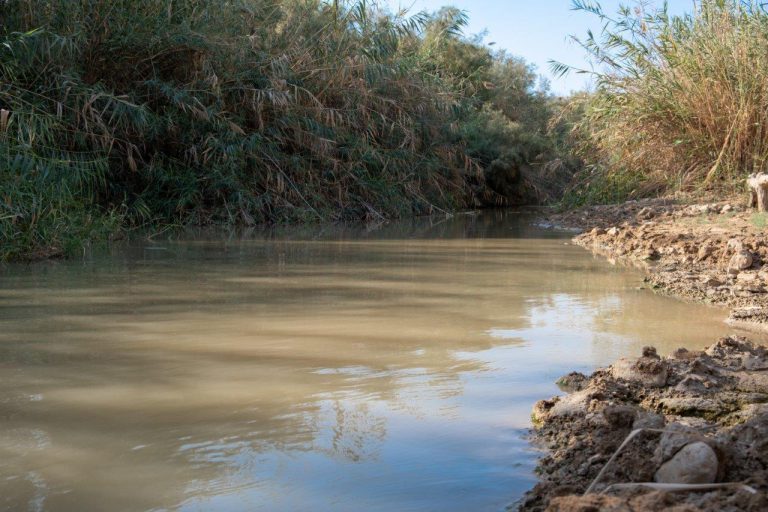
The sacred river where Jesus was baptised by John — the living water that has drawn pilgrims for two thousand years.
View Details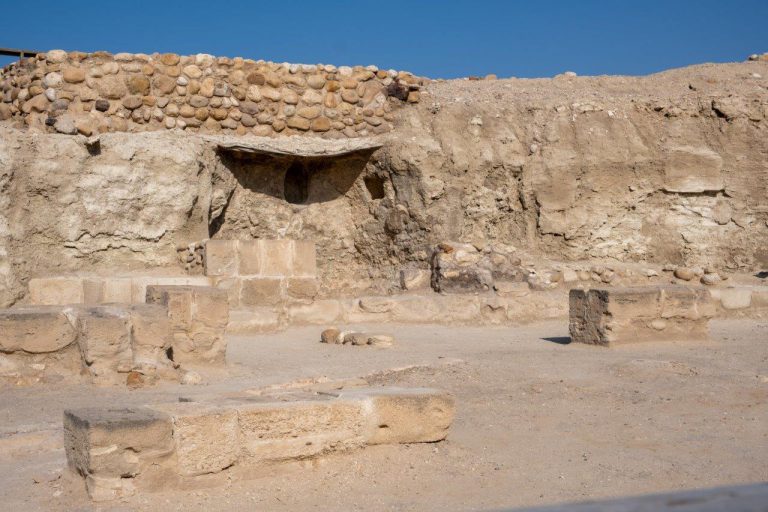
The cave where John the Baptist is believed to have lived and rested during his ministry beside the Jordan River.
View DetailsBuy Baptism Site tickets, book a religious service or get a Holy Land Jordan tour quote.
PILGRIM'S GUIDE
A 3km pilgrimage where you walk the same sacred path that prophets and pilgrims have walked for two thousand years.