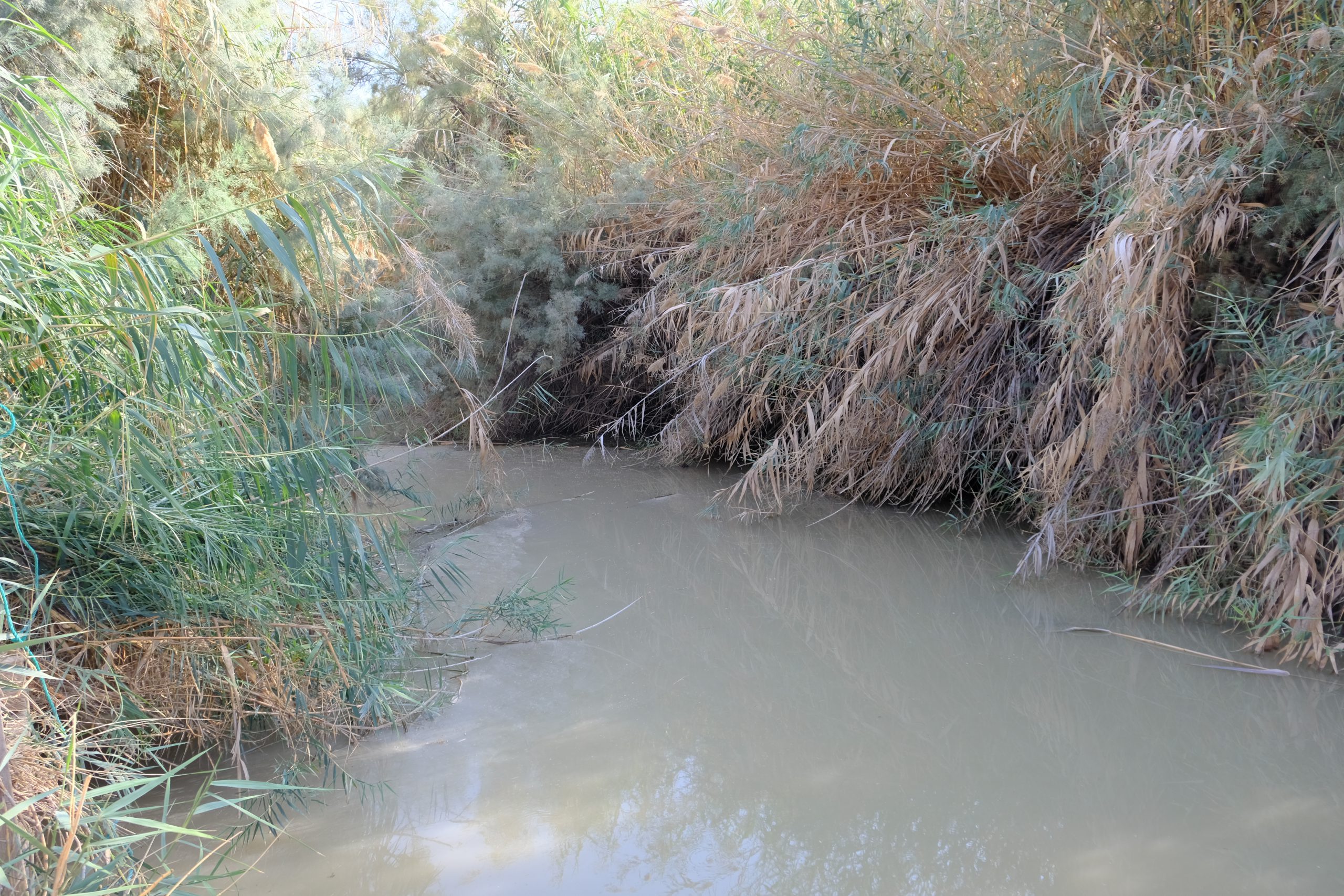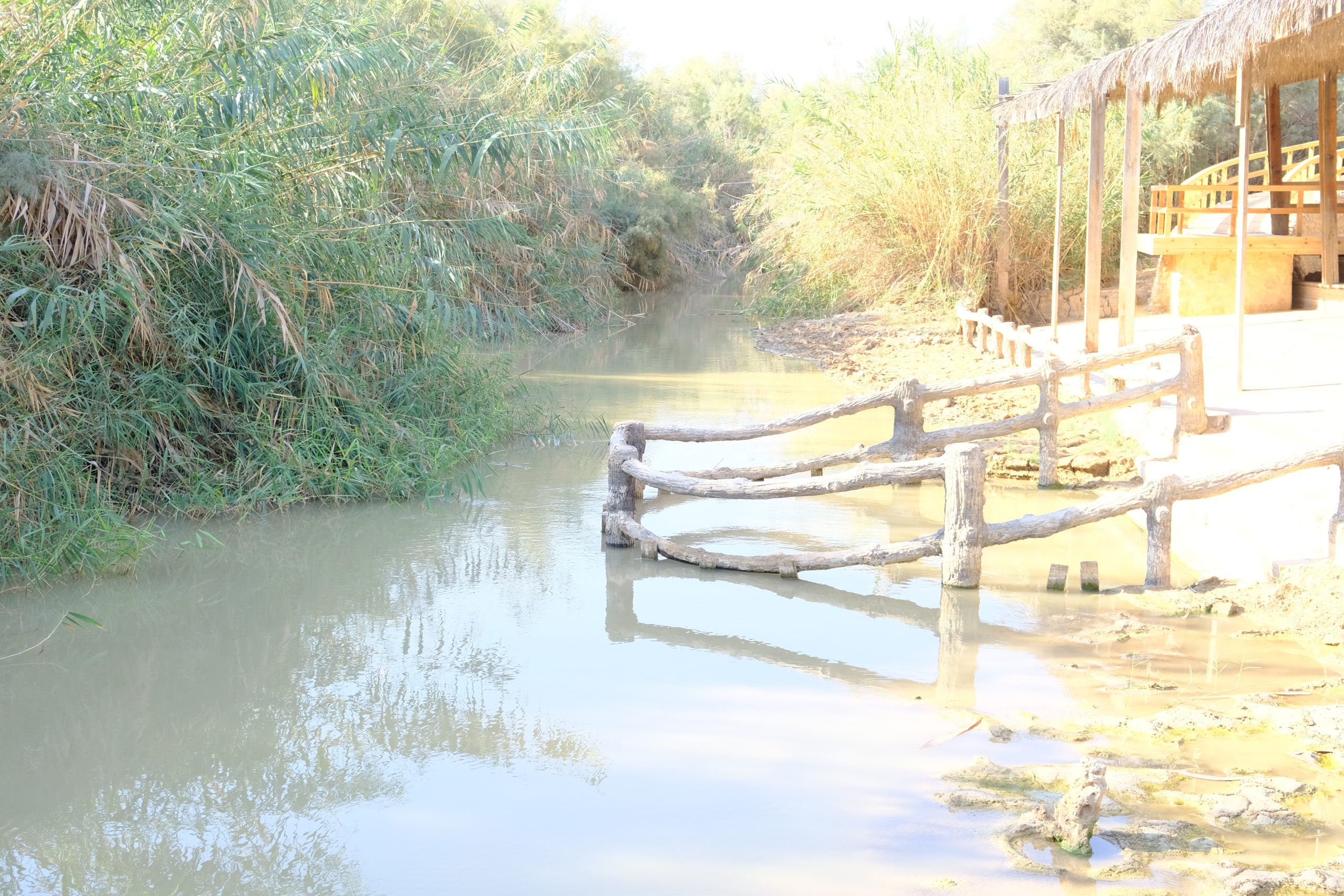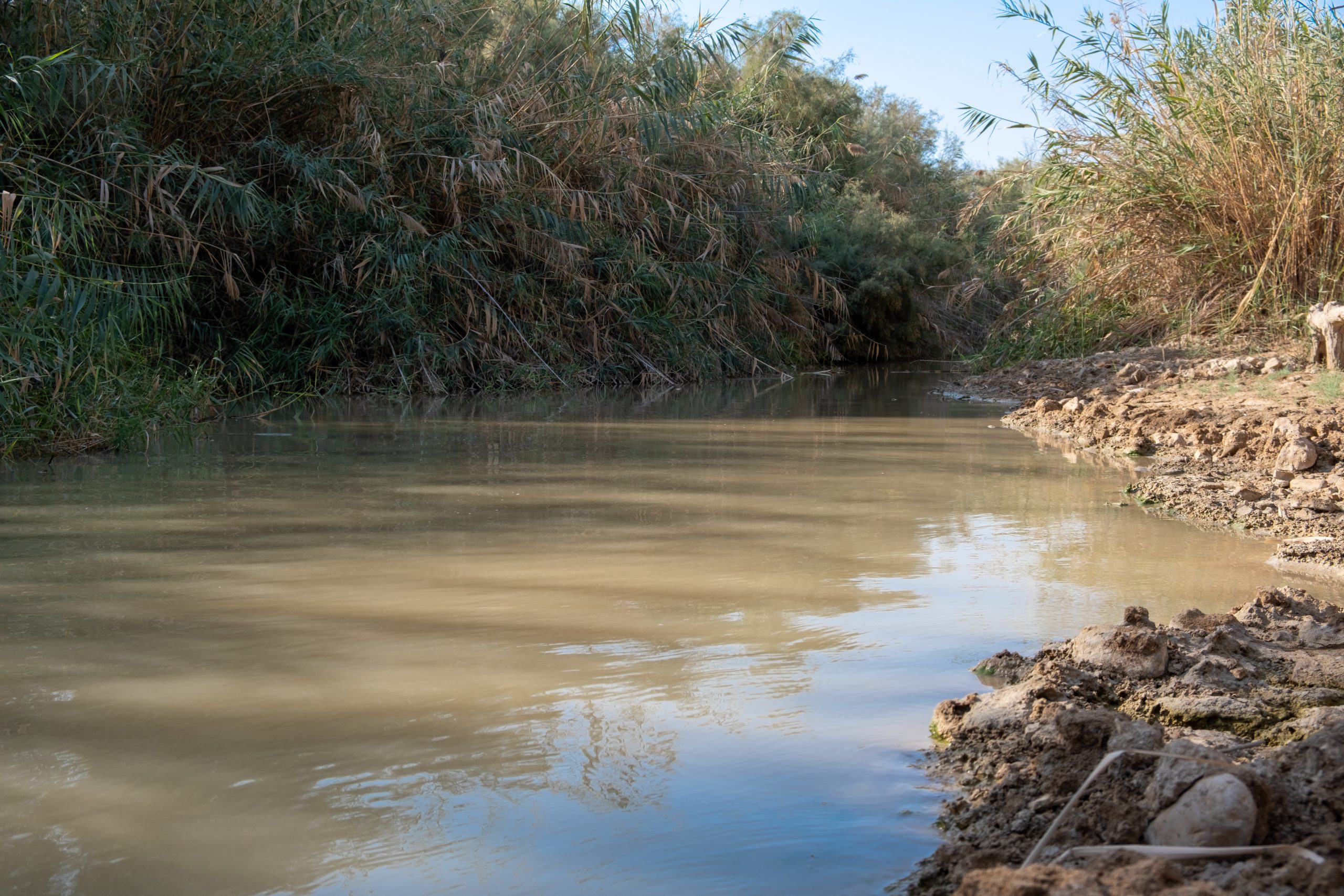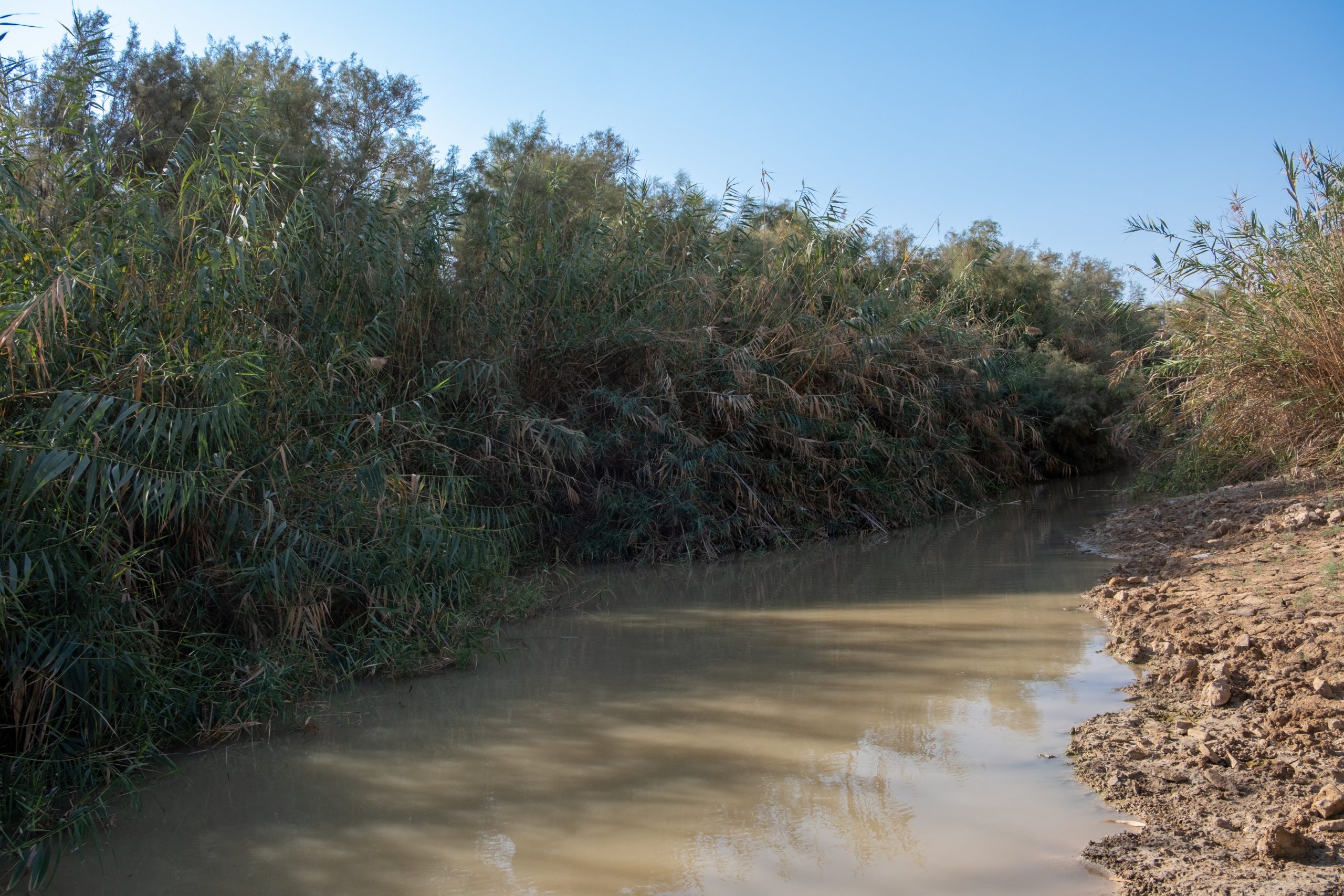



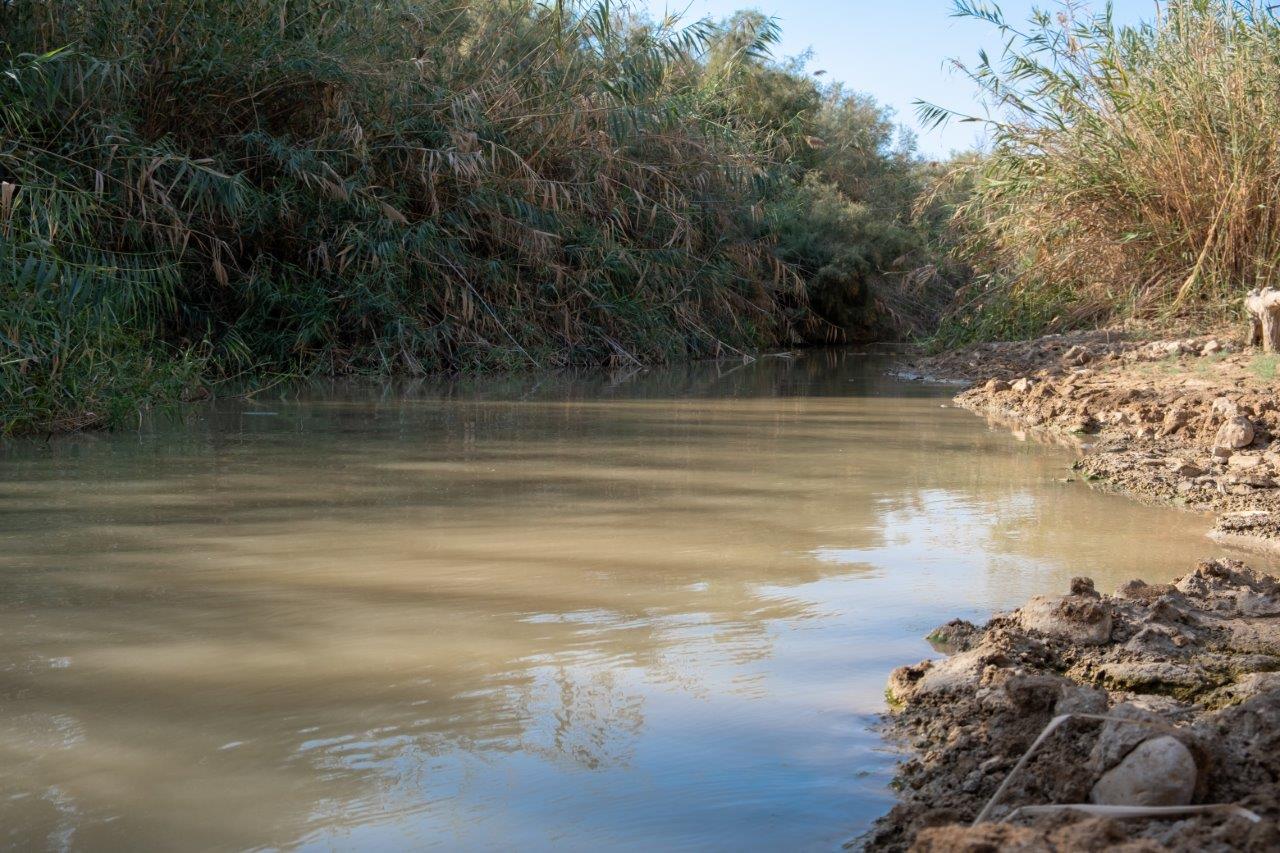
The Jordan River
The Jordan River is important for a number of reasons. It holds geographic significance as it flows through not only Israel, but also Jordan, Syria and Palestinian territories. The Jordan River holds a singular place in biblical history, threading through both the Old and New Testaments as a site of transformation and divine encounter. It marks the eastern border of the Promised Land, and the Israelites crossed it to enter Canaan under Joshua’s leadership, with the waters famously parting as the priests carrying the Ark of the Covenant stepped in. Centuries later, the prophet Elijah struck the river with his cloak so it split, and his successor Elisha later healed Naaman the Syrian commander of leprosy by having him bathe in its waters seven times.
Its most enduring significance, though, comes from the New Testament. John the Baptist preached and baptized along the Jordan, and it was here that Jesus came to be baptized by John. According to the Gospels, as Jesus rose from the water, the heavens opened, the Spirit descended like a dove, and a voice declared him God’s beloved Son — an event Christians regard as the beginning of Jesus’s public ministry and a foundational moment for the theology of baptism itself.
Today, the authentic Baptism Site has been discovered in Jordan, at Bethany Beyond the Jordan which is also called Al-Maghtas. The Baptism Site draws pilgrims from around the world who come to be baptized, renew their baptismal vows or simply to stand where this sacred history unfolded.