

History
Moses (c. 1406 BC)
Near the end of his life, God told Moses to climb Mount Nebo, in the region of Moab across from Jericho, so he could look out over the land of Canaan (Deuteronomy 32:49).
From the mountaintop, God gave Moses a panoramic view of the entire territory. He saw the Jordan River before him, descending from the heights of Mount Hermon into the depths of the Jordan valley. (Deuteronomy 34:1-3).
God reminded Moses that this was the land he had promised to Abraham, Isaac, and Jacob. Moses had now seen it, but would not be allowed to cross the Jordan and enter it (Deuteronomy 34:4), because at Meribah Moses struck a rock to produce water instead of simply speaking to it as God had instructed — an act that God treated as a failure to trust and honour him.
Moses died there in Moab. God buried him in a valley near Beth Peor, and to this day, no one knows the exact location of his grave (Deuteronomy 34:5-6).
Joshua (c. 1406–1400 BC)
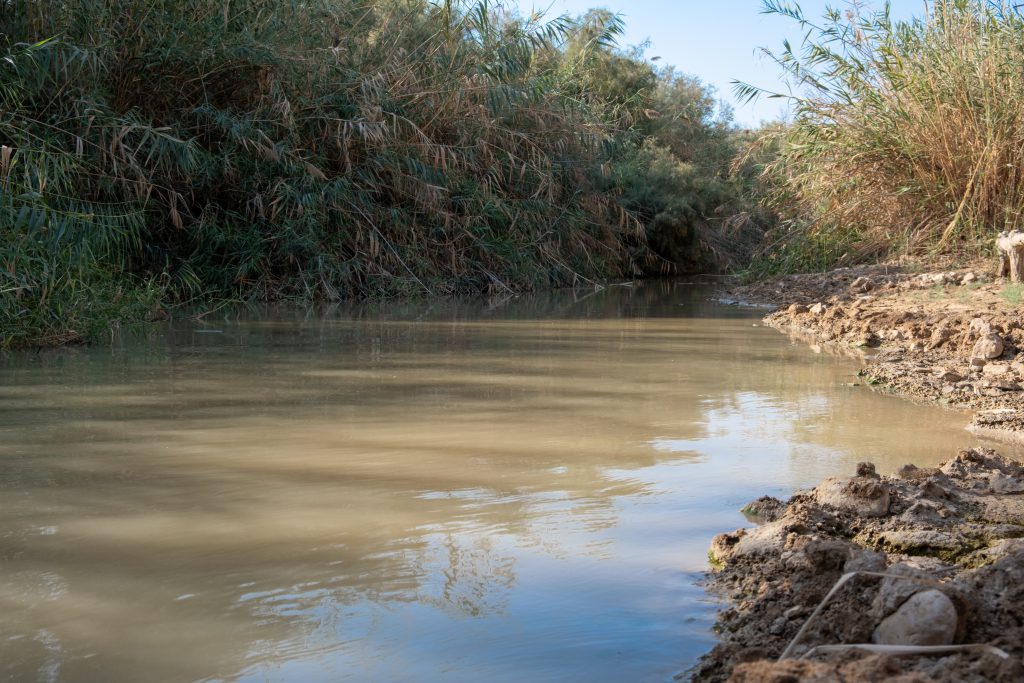
After Moses’ death, God appointed Joshua as leader, commanding him to be “strong and courageous.” One of his first great acts was leading the Israelites across the Jordan River: as the priests carrying the Ark of the Covenant stepped into the water, the river’s flow stopped, allowing the entire nation to cross on dry ground — echoing the earlier crossing of the Red Sea.
Joshua went on to lead the conquest of Canaan, including the famous fall of Jericho, and oversaw the division of the land among the twelve tribes of Israel.
Elijah (c. 870–850 BC)
Elijah was one of the most significant prophets in the Old Testament, active during the reign of King Ahab of Israel in the 9th century BC. He is best remembered for his fierce opposition to the worship of Baal. In a famous contest on Mount Carmel, Elijah challenged the prophets of Baal to call down fire from heaven, and when they failed, he prayed and fire consumed his own sacrifice, proving God’s power.
Elijah performed other miracles, including sustaining a widow’s flour and oil during a famine and raising her son from the dead. Later in life, he experienced God not in wind, earthquake, or fire, but in a “still small voice” on Mount Horeb.
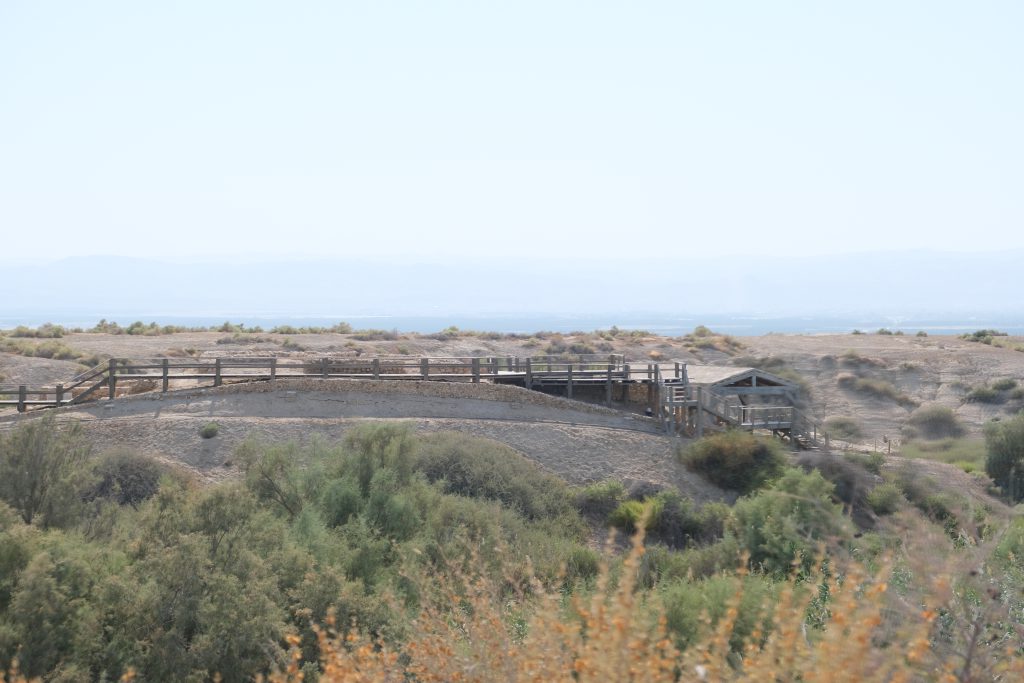
At the end of his life, Elijah crossed the Jordan River with his successor Elisha by striking the water with his mantle, parting it. As they were walking up the hill and talking together, suddenly a chariot of fire and horses of fire appeared and separated the two of them, and Elijah went up to heaven in a whirlwind (2 Kings 2:11)
Elisha (c. 849 BC)
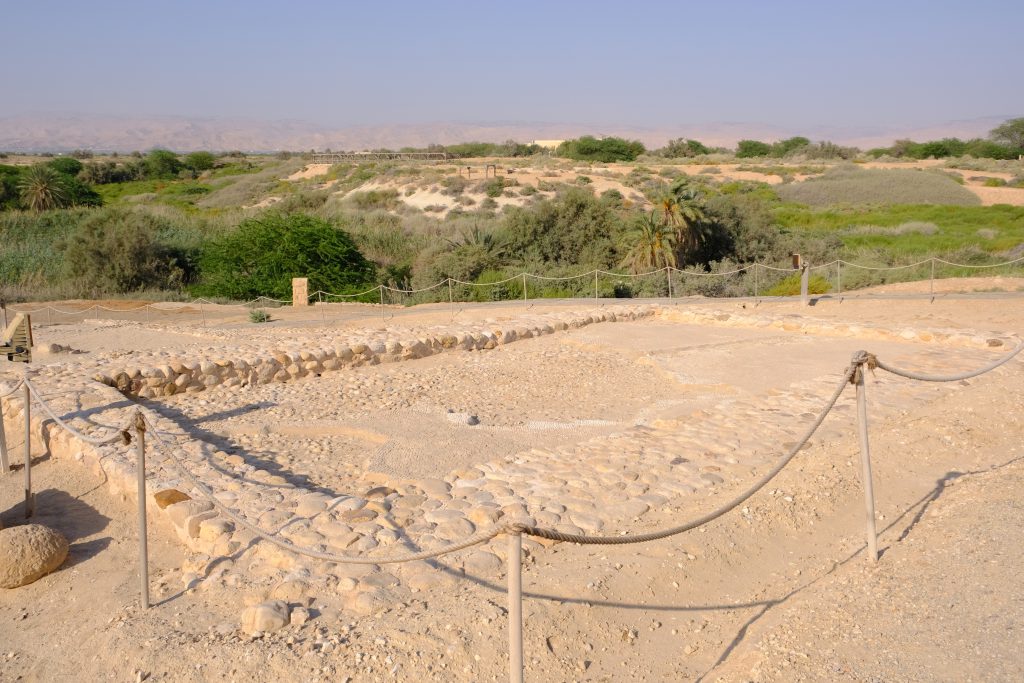
When Elijah was taken up to heaven in a whirlwind, his mantle fell to Elisha, symbolizing the transfer of prophetic authority. Elisha came down from the hill and returned to the River Jordan alone. He struck the water with the mantle he had received from Elijah and it parted again — a sign that Elijah’s spirit and authority now rested on him.
Elisha went on to perform many miracles: purifying a poisoned spring, multiplying a widow’s oil to pay her debts, and raising a boy from the dead. He also healed Naaman, an Aramean military commander afflicted with leprosy, by instructing him to wash seven times in the Jordan River — a simple act of obedience that restored Naaman’s skin and led him to acknowledge Israel’s God.
Elisha is remembered for his compassion, wisdom, and many acts of healing.
John the Baptist
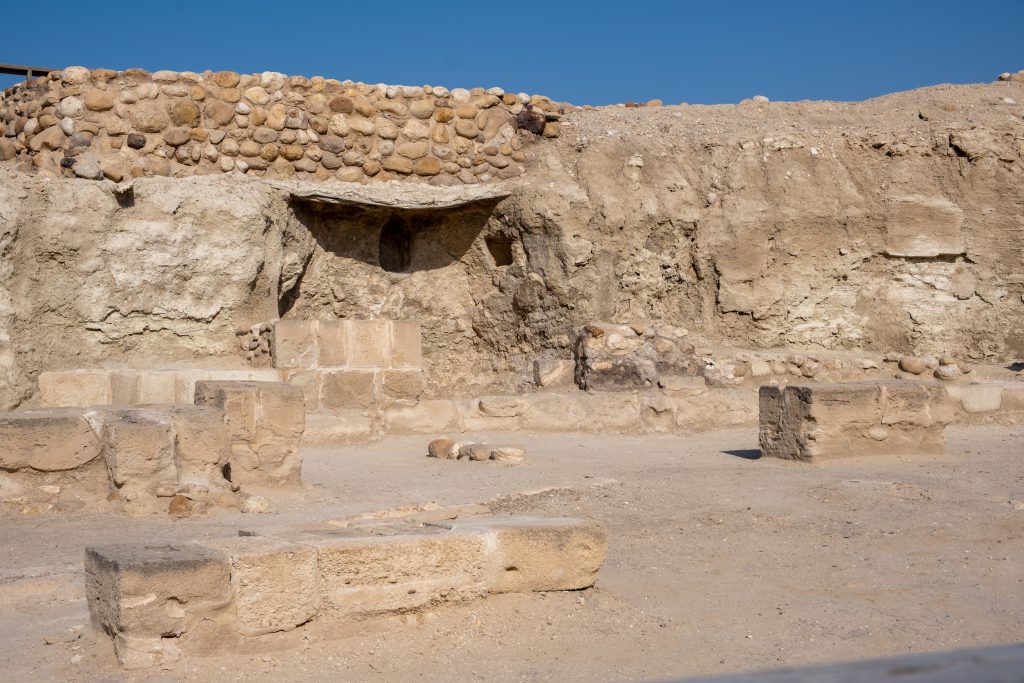
Hundreds of years later John the Baptist appeared at Bethany (Bayt ‘Anya) on the far side of the Jordan River (John 1:28 & John 10:40). He continued to prophecy in the spirit and power of Elijah (Luke 1:17). John was the last prophet of the Old Testament prophets and the first prophet of the New Testament.
John called the people to repent in preparation for the arrival of the Messiah, and began to baptize in the Jordan River and the surrounding springs. The baptism he administered was a symbol of repentance.
John came to Bethany beyond the Jordan when he had to fleeing the authorities because of his sermons,. He would sleep and rest in a cave close to the springs of “Saphsaphas” (what is today known as the Valley of Kharrar). The Bible tells us that people from Jerusalem, Judea and the surrounding regions of the Jordan flocked to John for baptism. Jesus visited John here.
Then the Jews in Jerusalem sent some of the Scribes and Pharisees to question John, and John said to them, “I am not the Messiah, I am only a voice crying out in the wilderness saying, ‘Follow the path of God and make firm His path.'” (John 1:24)